Coast
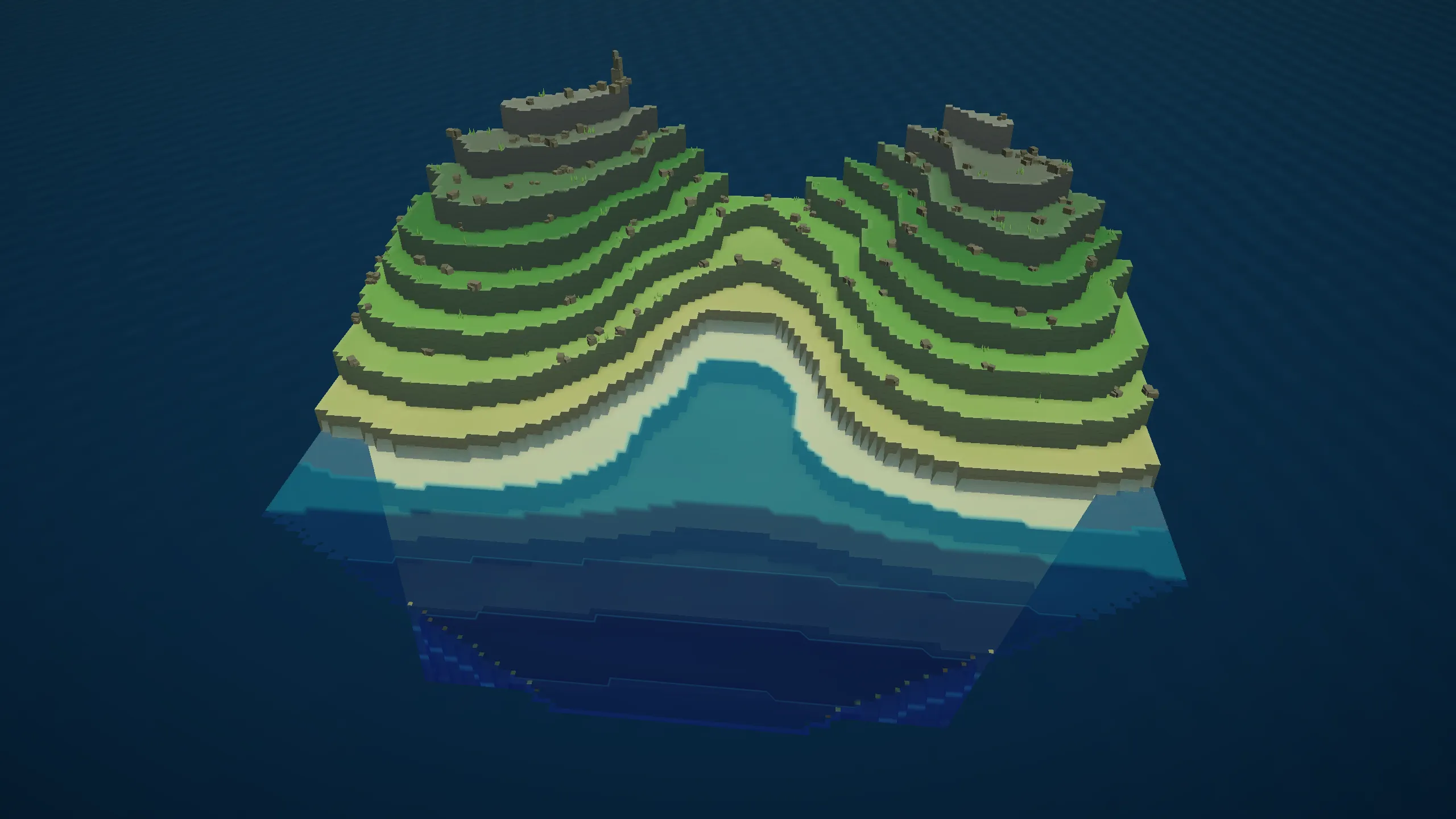
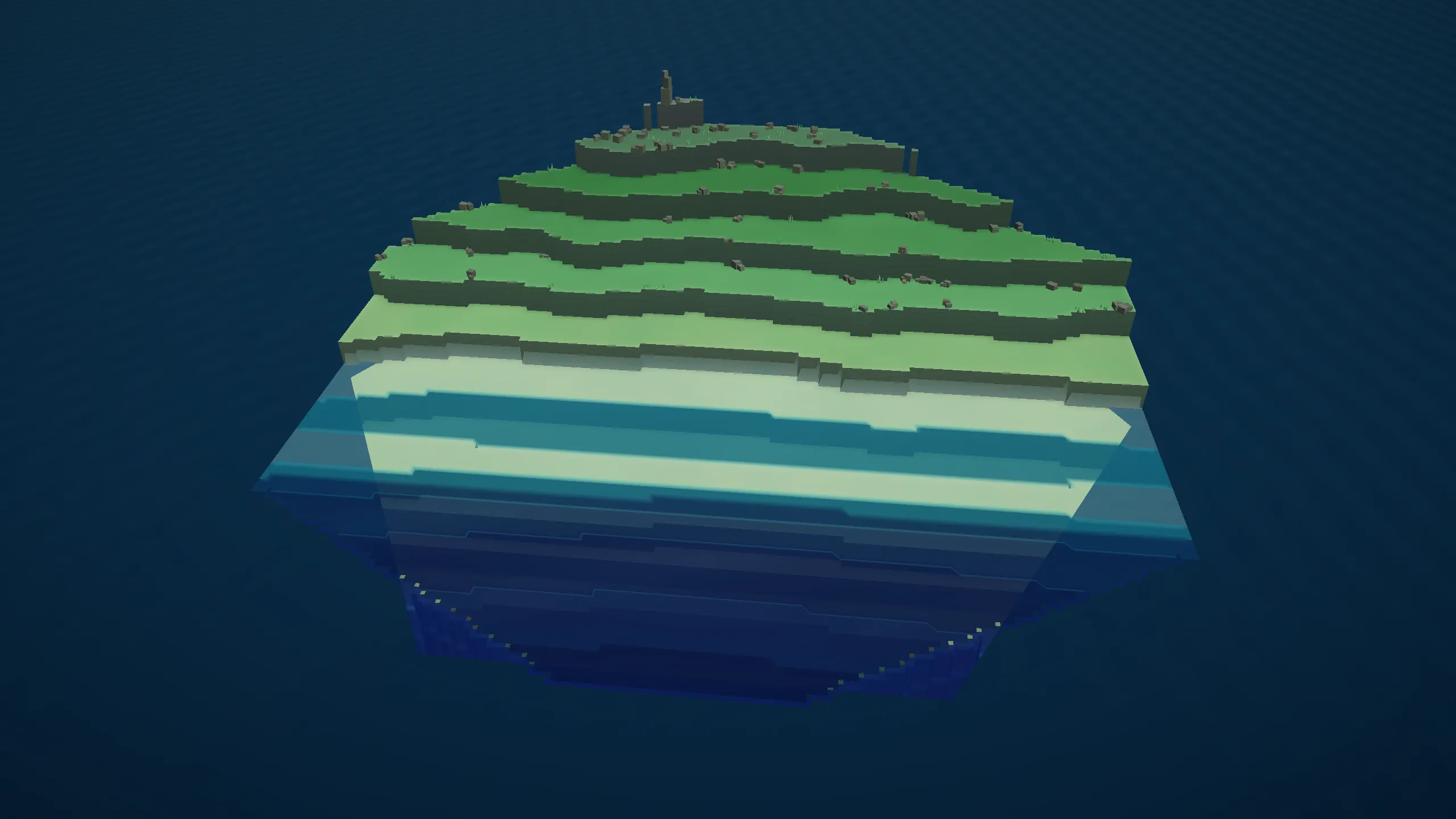
The sea on one front and land at your back. Water comes from the open edge and takes every connected cell below the waterline, so the war is a line you draw and defend: wall the low ground, hold the gaps, decide early which basin you are willing to lose.
Island
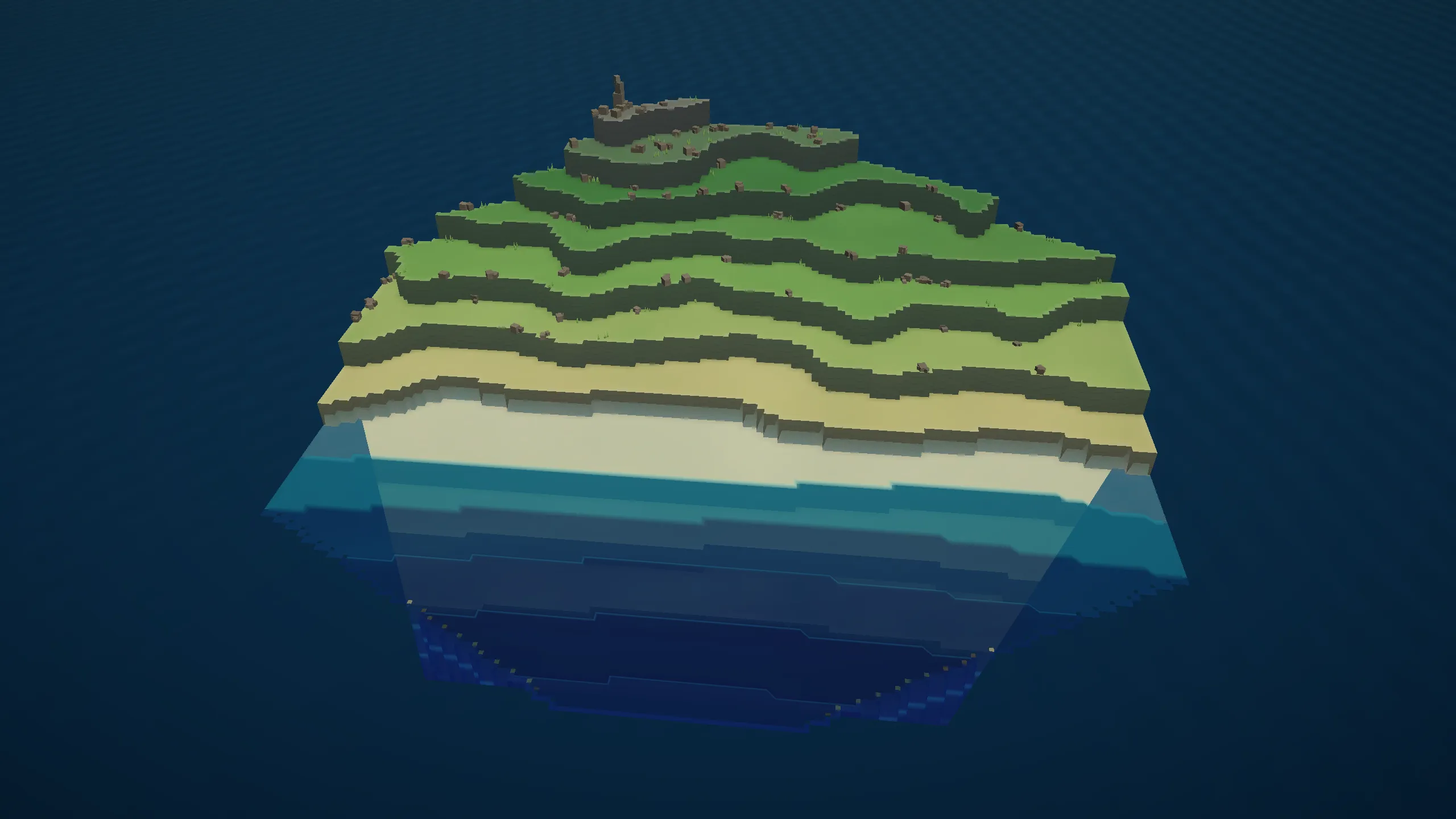
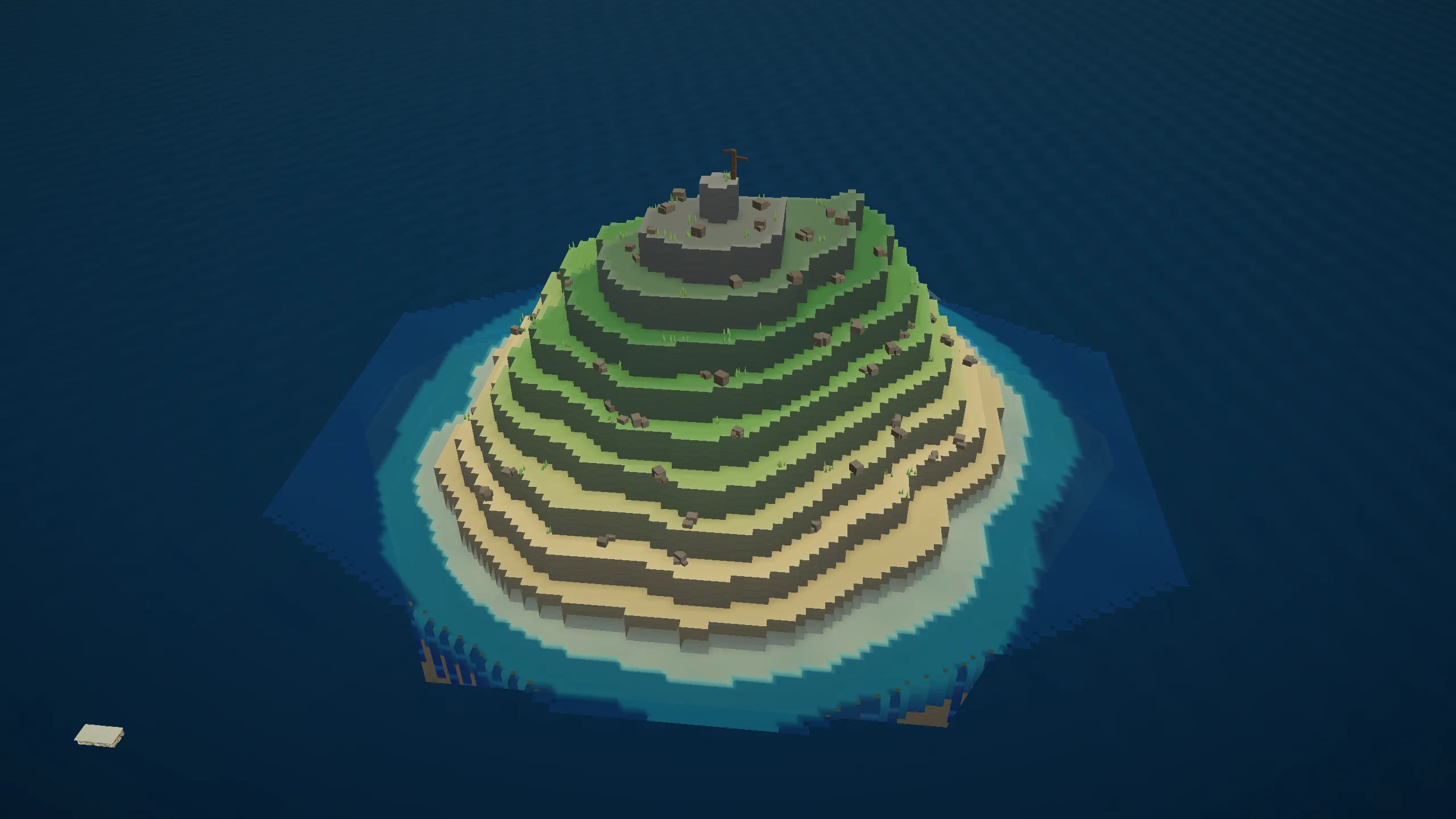
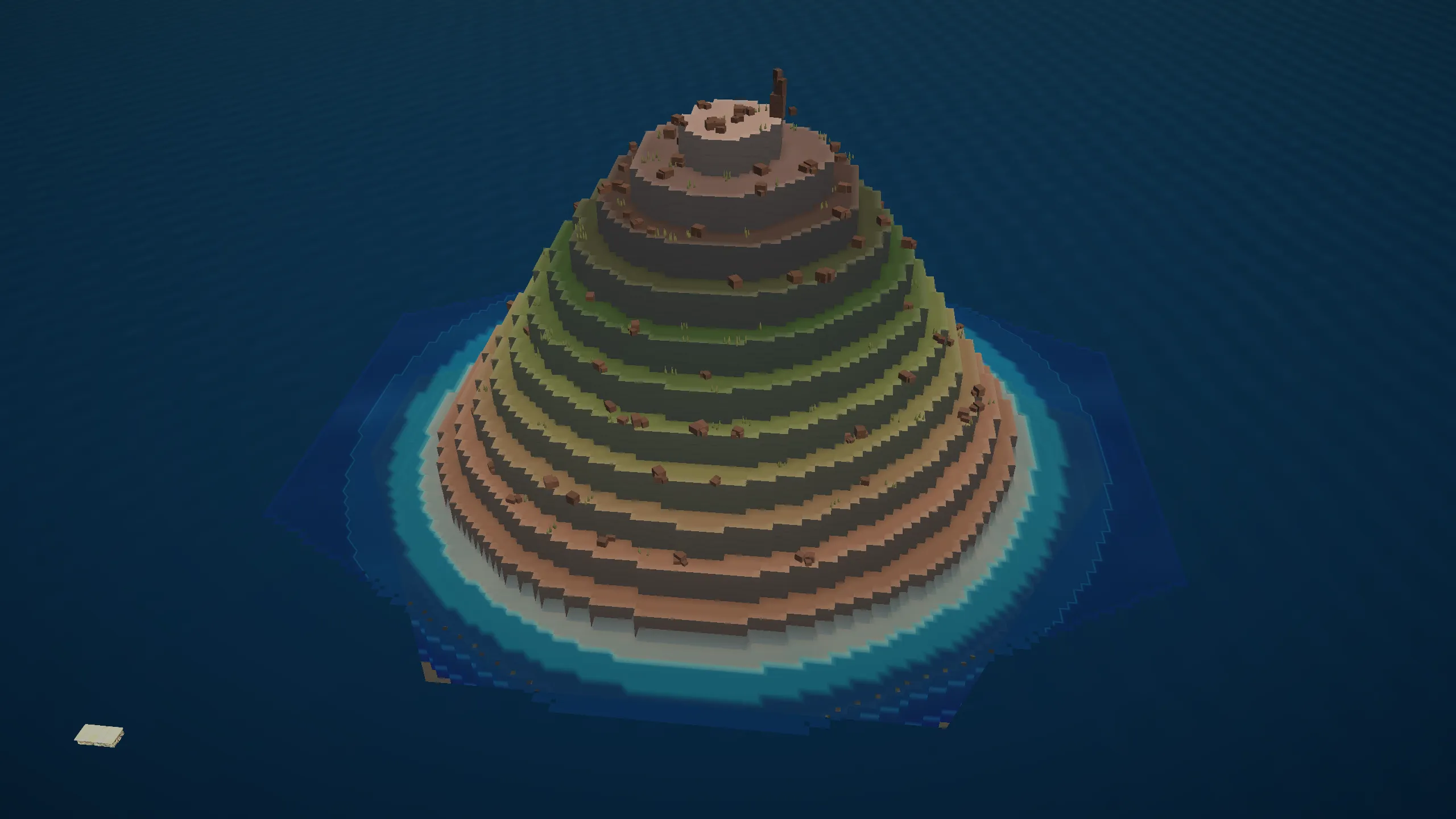
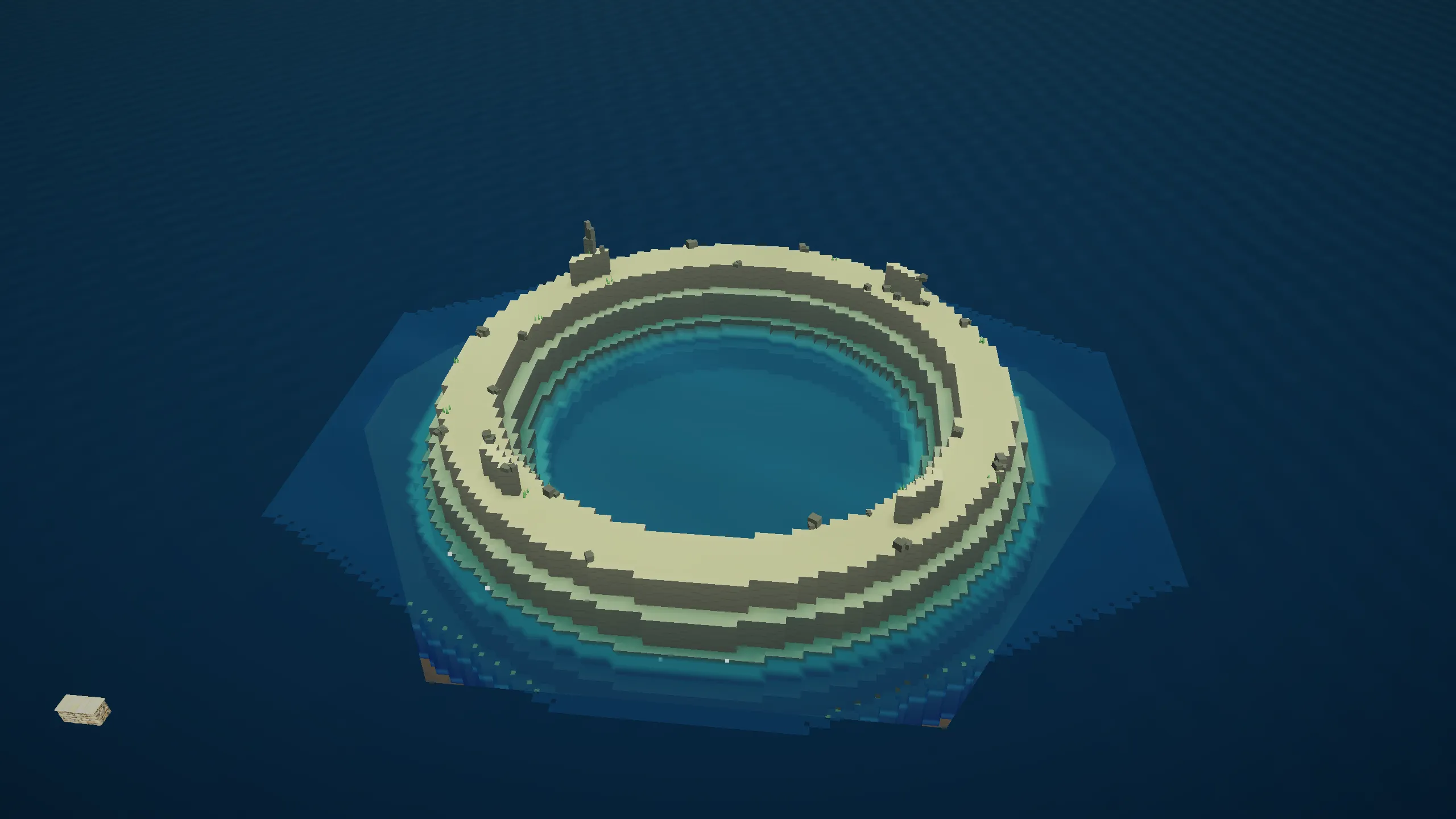
Every direction is a front. There is no inland to trade for time, so islands become ringwalls: a crest of stone all the way around, farms and habitats in the bowl, and a number you check every morning — how much freeboard is left.
Some islands can never be held. Those get domed, sealed, and kept: still producing, still yours, under the water line.
River
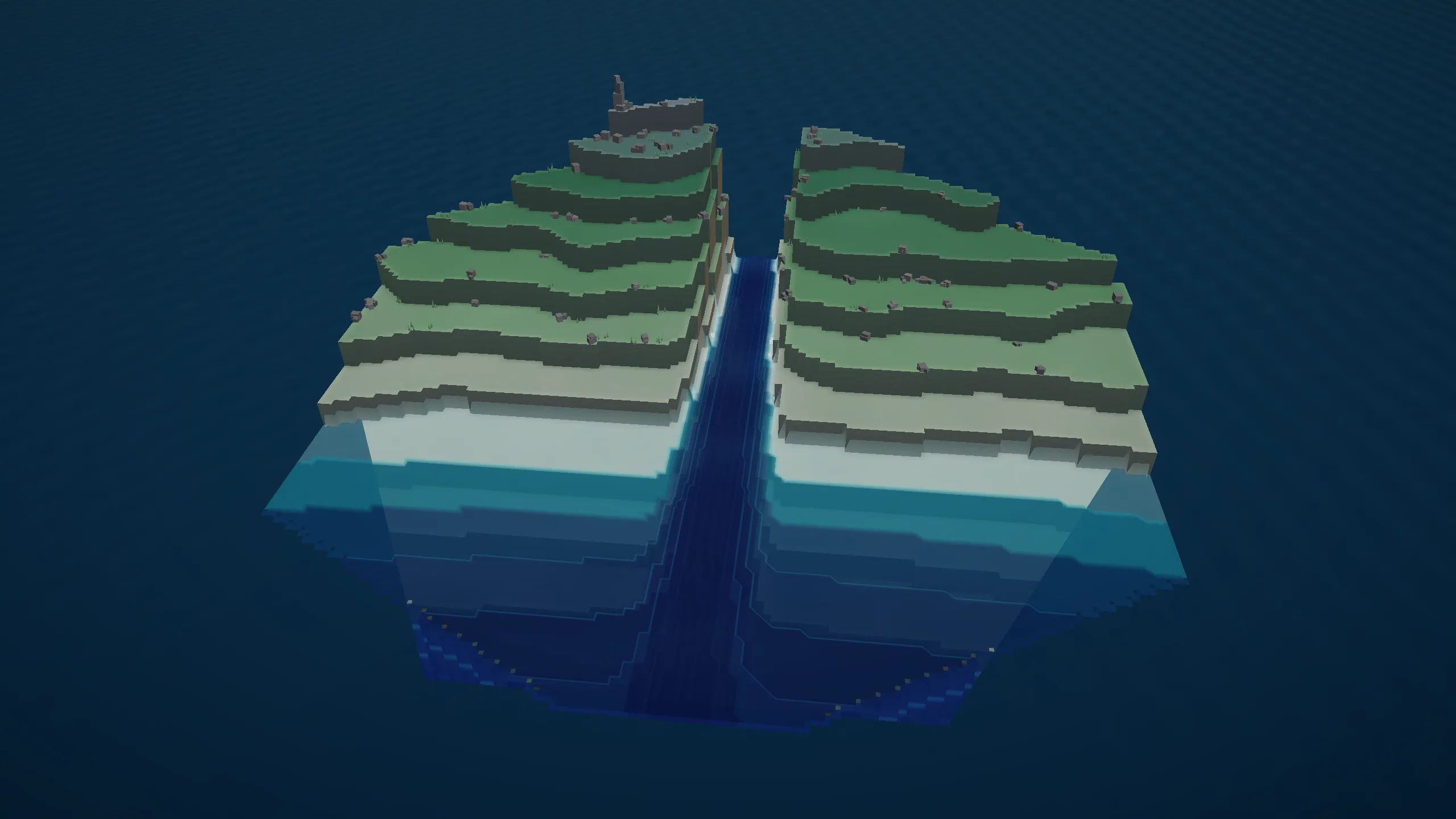
Inland is not safe. A river connected to the ocean rises with it: the sea is its base level, so as the global water climbs the river backs up, swells, and pushes down the valley in telegraphed surges. The flooding is directional and follows the channel.
Rivers earn a verb the coast never gets: you can channel and divert moving water, not just stand in front of it.
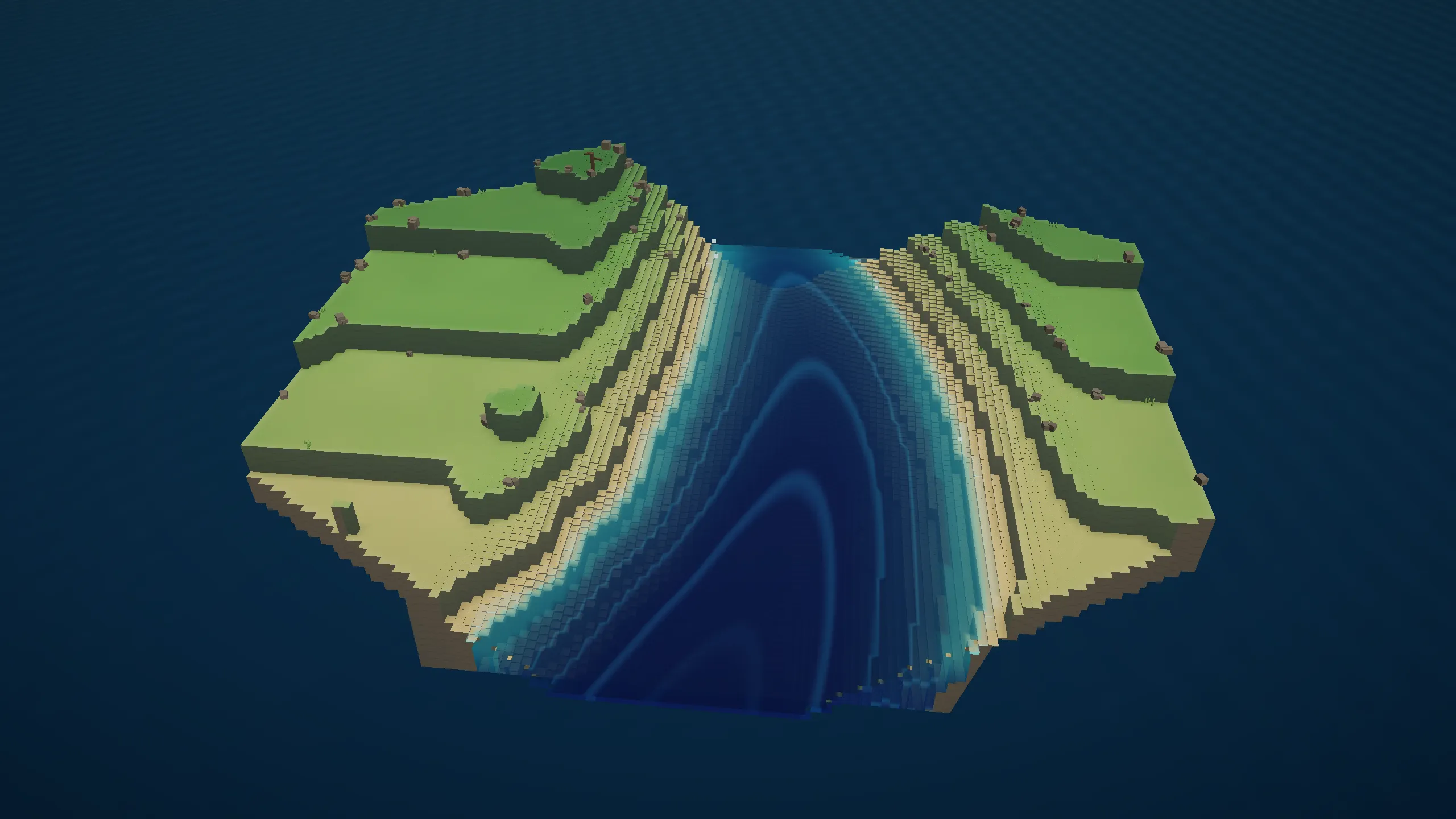
Within each biome, sub-biomes reshape how the water arrives. Each one is a different geometry of trouble, and a different correct answer.
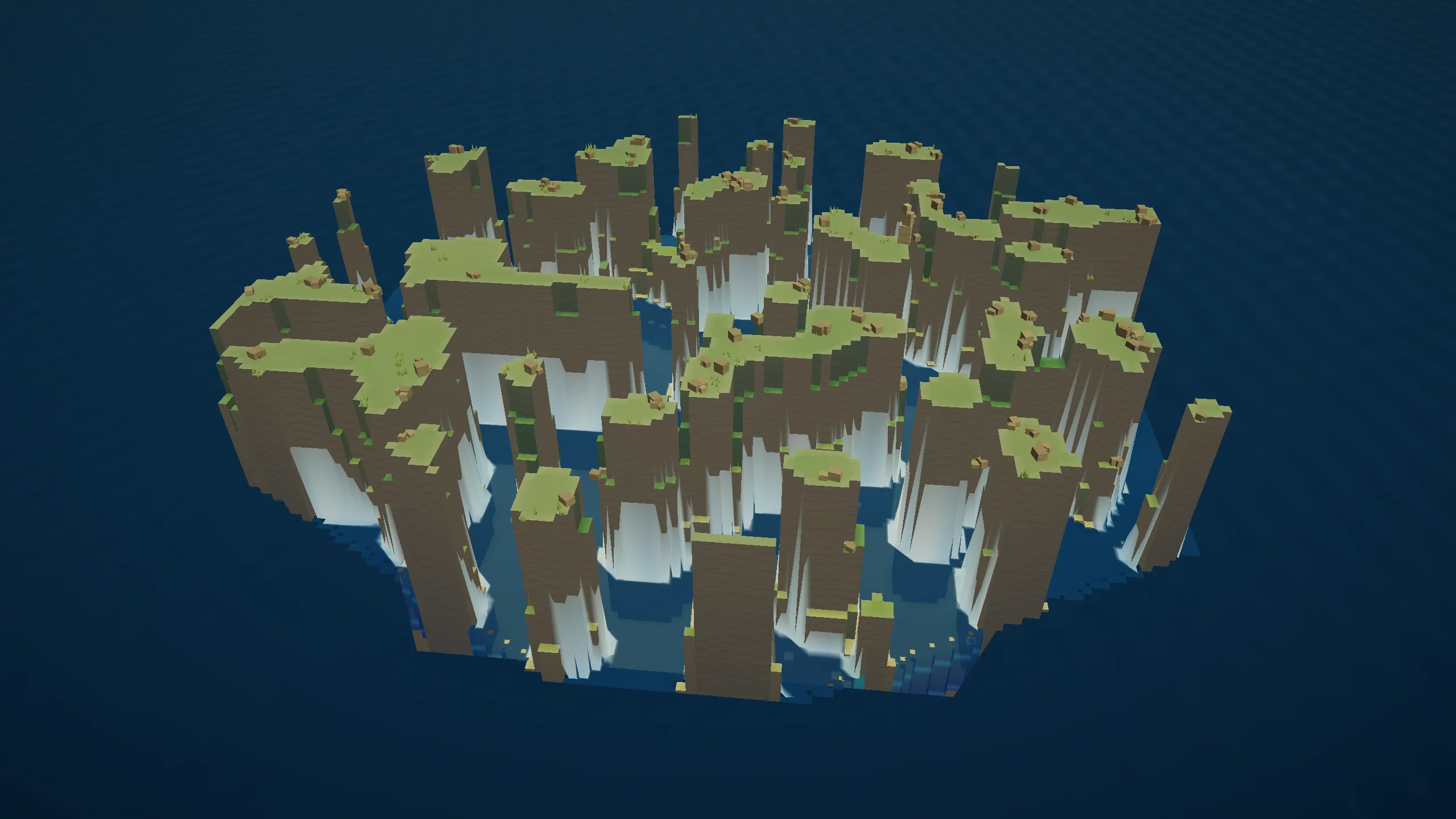
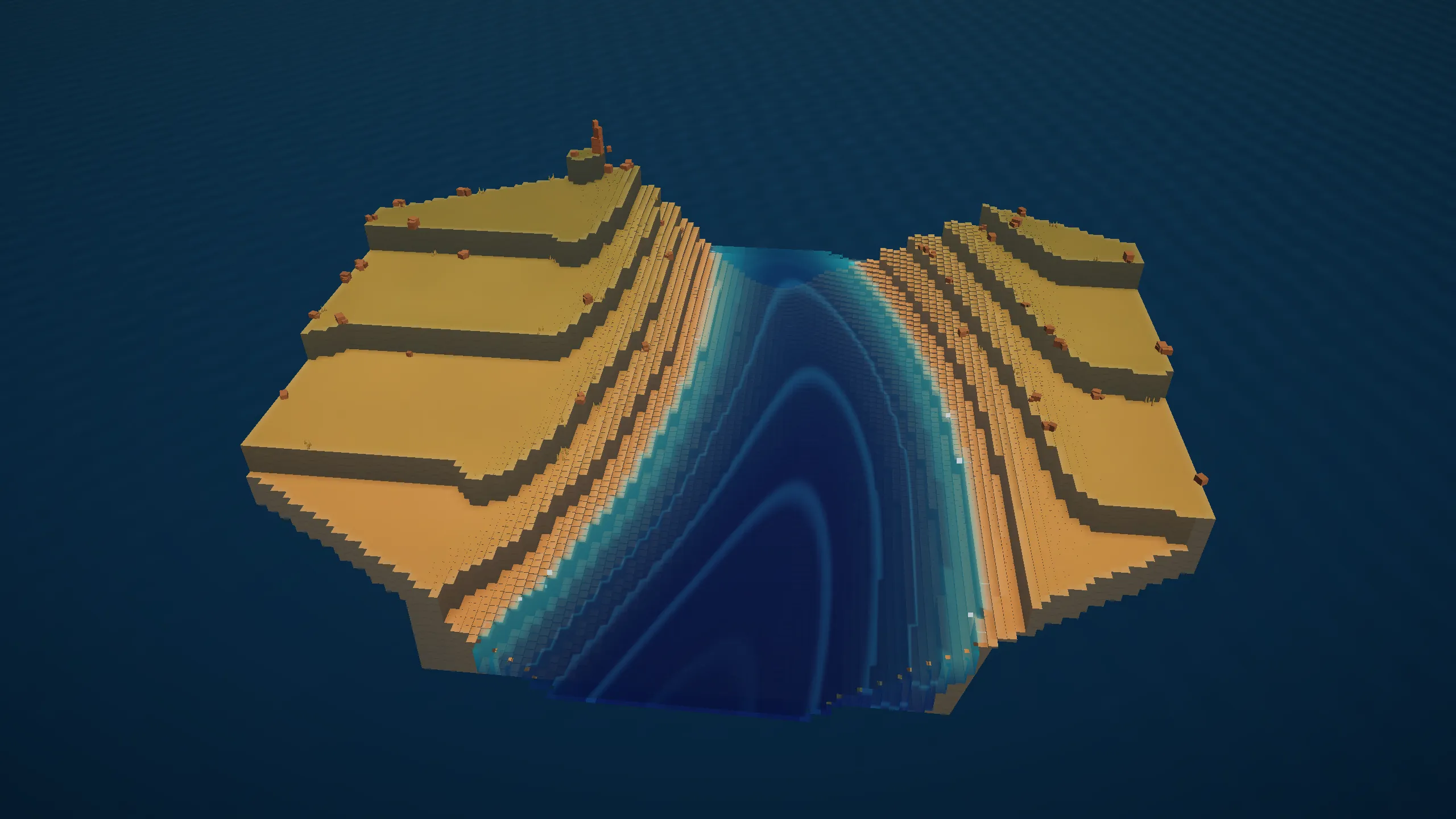
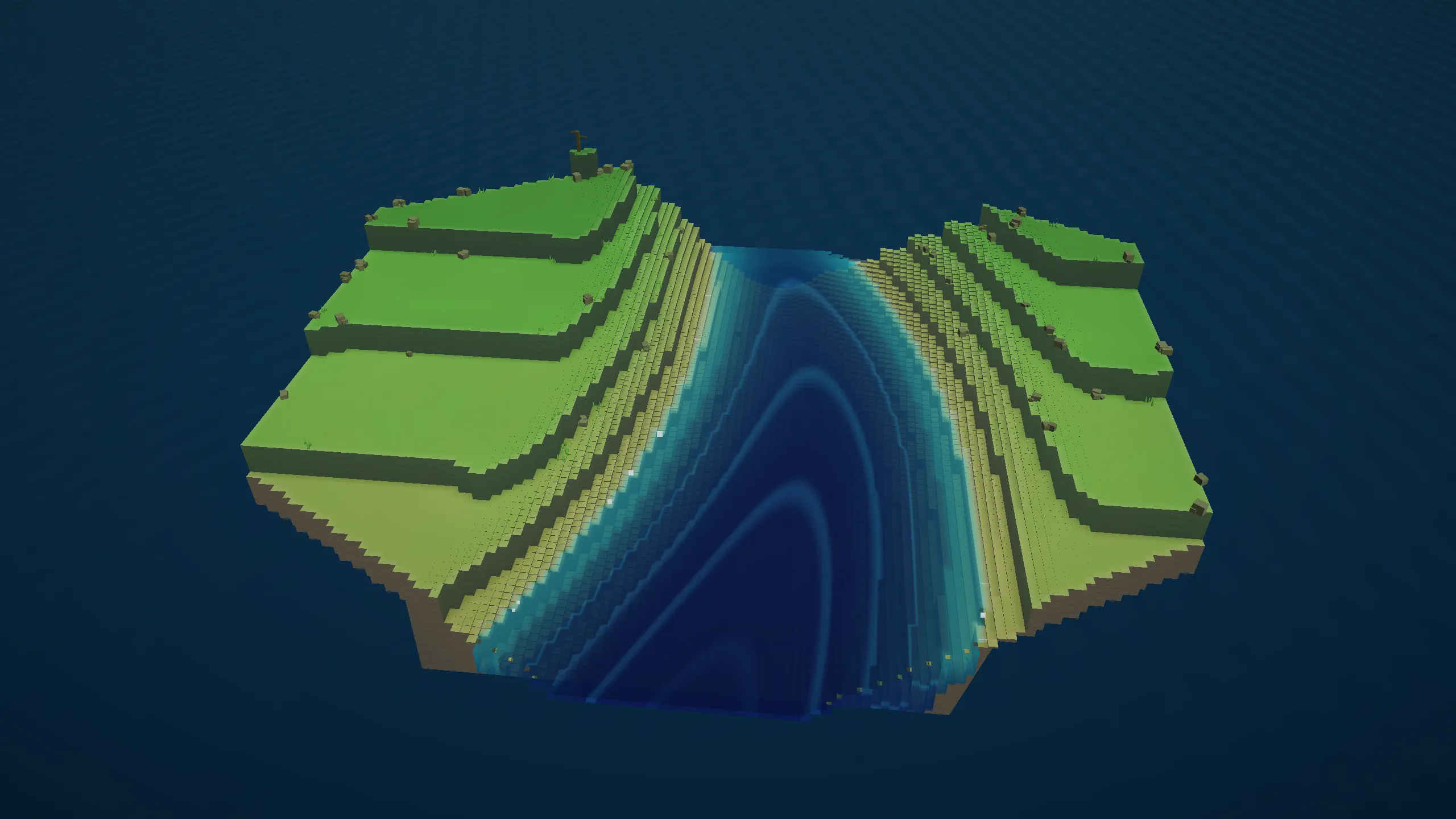
Found with purpose
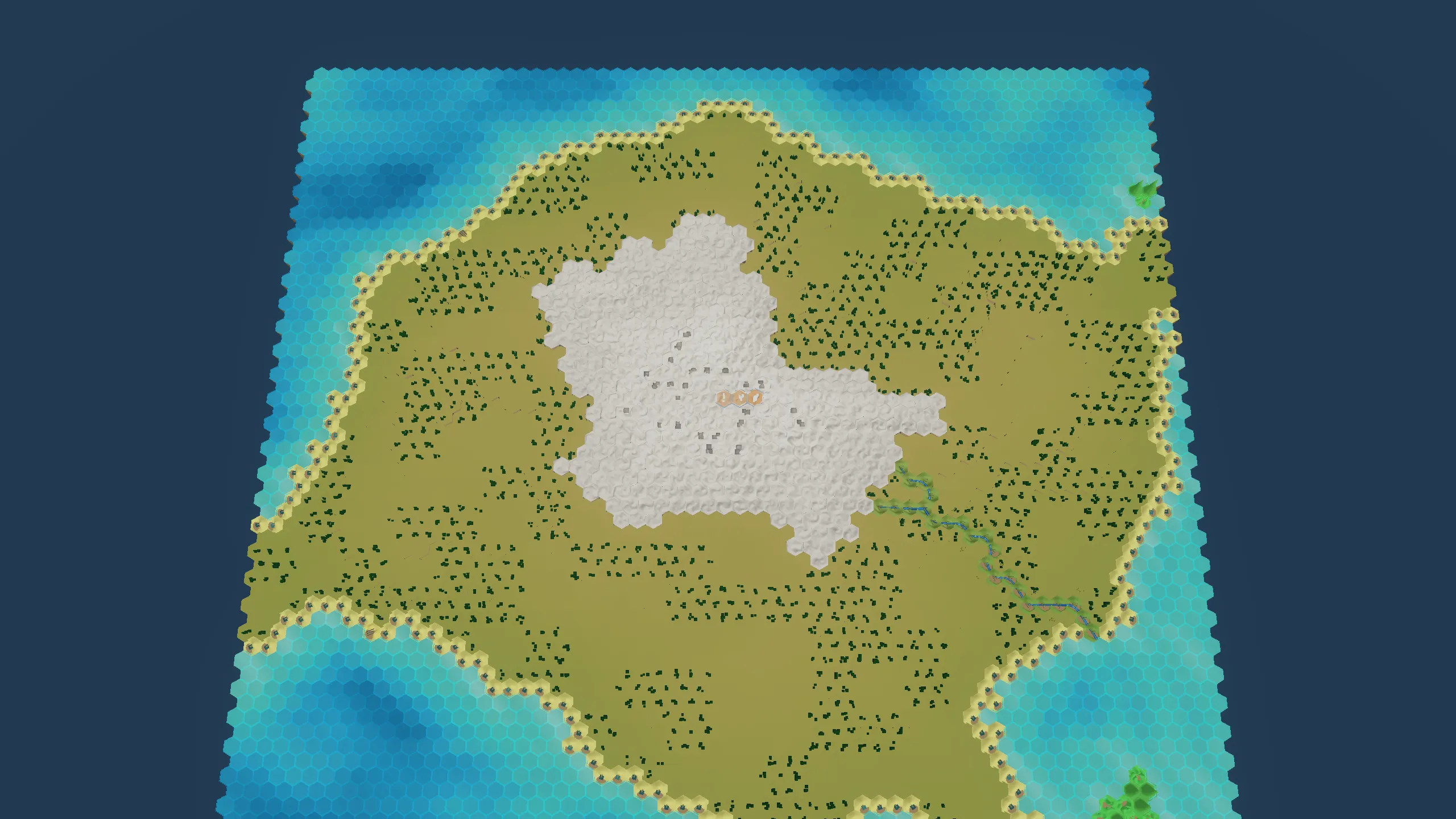
On the world map every founding is a strategic act, and the game asks you to say the quiet part out loud. A trade seat feeds the cities around it. A barrier anchor against a mountain range keeps the strategic flood out of the land behind it for as long as its walls hold. A science farm turns population into permanent research. And a dome candidate is a city you found knowing it will drown, because even sealed under the sea it keeps paying for the walls of the cities that will not.
See it flood for yourself
One short letter when the playtest opens.